 Binary code of N digits can be used to store 2N distinct elements of coded information. This is what encoders and decoders are used for. Encoders convert 2N lines of input into a code of N bits and Decoders decode the N bits into 2N lines. 1.
 The article provides an overview of encoder and decoder, highlighting their roles in converting data between binary and human-readable forms. It also explains their practical applications in digital displays and measurement systems like shaft encoders.
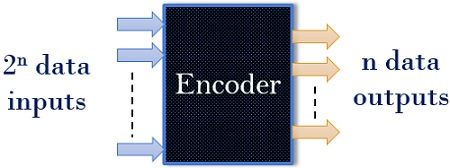 The encoder generates coded data bits as its output that is fed to the decoder. On the contrary, a decoder provides an active output signal (original message signal) in response to the coded data bits.
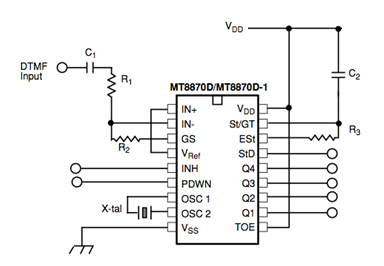 Encoders and Decoders are digital ICs which are used for encoding and decoding. By encoding, we mean generating a digital binary code for every input.
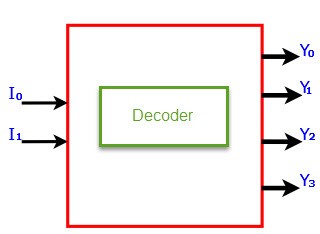 In digital electronic projects, the encoder and decoder play an important role. It is used to convert the data from one form to another form. Generally, these are frequently used in the communication systems like telecommunication, networking, and transfer the data from one end to the other end.